Friday, August 22, 2014

Long day at the Bronx Zoo

Today, Jean and I went on a crazy adventure. After lunch, Jen decided to make us go on a QR code scavenger hunt. Two hours into the hunt we were still on number 10 and we still had about a handful of other codes to find. When we finally hit number 14, we were so confused about what the clue was even saying so we asked Jen to help us out. She said that it was in Jungle World. Once we got there, we found out that the last couple of QR codes had been taken down. I was sad because we didn't get to finish the challenge but in the end we were able to get on the Bengali Express Monorail. It was actually very beautiful!


We were able to see a lot of animals very up close including a tiger, elephants, and a panda. After our ride on the monorail was done, we were so tired from all the walking that we took a shuttle back to the Education building. It was a very long and tiring day but in the end it was worth it! 

Asian Elephants
Siberian Tiger

Red Panda

-D.P


Wednesday, August 20, 2014

Theme of the Day: "Horns and Shells" Part 2

SHELLS

Today was a good day to come to the Bronx Zoo. Some might ask why ... because of free admission .. DUH! It was a nice sunny day to spend with the family here at the Bronx Zoo. In the morning, we had the chance to get on Dinosaur Safari.

Poor Mr. Triceratops got mauled by a T-Rex.

 
A dinosaur ... with lips.
 Later on in the day, Jean and I were sent on a hunt for animals that had horns or shells. Some of the animals that we came across included this little guy.
 
Fun Facts: 
  •  Turtles have a hard shell that protect them like a shield, this upper shell is called a ‘carapace’.
  •  Turtles also have a lower shell called a ‘plastron’.
  • A turtle's shell is  made up of 50 different bones attached to their spine.
  • Shells have nerves embedded in them and a blood supply as well, so if a turtle's shell is injured, it may bleed and feel pain.
  • Many turtle species (not all) can hide their heads inside their shells when attacked by predators.
  •  Their scutes (the square like things on top of their shells), sometimes called shields, are overlapping pieces of keratin which is the same substance as human fingernail!  .. Gross but cool! 
  • Turtles, unlike snails, cannot trade in their shells for a new one if damaged. 
  • Their shells never fall off and are never too large or too small since it grows with the turtle.
  • Turtles do shed their scutes to make room for larger ones.
  • If the scutes aren't properly shed or they shed too much, then turtles can often develop infection and disease. 
Overall, it was a good day! -D.P

Theme of the Day: "Horns and Shells" Part 1

HORNS

Fun Facts:

1) Horns are a permanent hard outgrow 
2) Most horns consist of a core of bone encased in keratinized skin
3) Proteins can be found surrounding the core bone of the horn in some animals
4) Giraffes do NOT have horns, they are called ossicones, they are covered with furred skin
 5) Most deers and antlers do NOT have true horns due to the fact that they are made of dead bone
6) The "horns" of rhinoceroses are actually completely made of keratin (same substance as fingernails), they do NOT have a bone core
7) The horns of triceratops are considered to be extensions of its skullbones


Displaying photo 4.JPG
Gazelle and its horns at the Bronx Zoo
Displaying photo 3.JPG
Female Nyala's (only Males have horns)
Displaying photo 1.JPG
Horns and spikes everywhere at the Dinosaur Safari

Tuesday, August 19, 2014

Flamingos at the Bronx Zoo

Friday, August 15, 2014

A Day At the Health Center

I'm not the only lucky intern at the New York Aquarium this week, while I've been handling the social media aspect of things around here, Angel's been busy busy busy in the health center. Fortunately, she was able to answer a few questions so I can have a better understanding as to what her responsibilities are. Here's what she said.

Q: What kind of activities have you been up to? What's the agenda around? Is there's an agenda?
A: In the lab the agenda is to test the tank water and make sure it isn't toxic with nitrite, ammonia or dissolved oxygen.

Q: Have you enjoyed this internship?
A: Yes, I have. I learned so much in just the first day.

Q: Has the internship influenced you to study marine biology? Or science?
A: Oh yeah! I've always wanted to study marine biology since I became connected to the NY Aquarium.

Q: What advice would you give to anyone looking to be in your position?
A: Take any opportunity you get, not just for the money, but because you love it.

Q: Would you say this was a much needed work experience? Have you pulled anything from this?
A: Yes, I have expanded my knowledge on marine biology. Having this knowledge will show my future professors and scientists that I know what I'm doing.

Q: Would you want to do this again? Possibly for life?
A: If marine biology doesn't work out, then yes. I'd like to come back and work at the health center.

Displaying mms_20140815_151337.jpg
Dissolved oxygen testing in the lab.
Displaying mms_20140815_151354.jpg
Angel hard at work behind the scenes, testing
the waters

Thursday, August 14, 2014

Great Weather and a Great Day At the NY Aquarium

The New York Aquarium was the place to be today, especially if you're a camper! All kids, including myself, got the chance to enjoy front row seats to a show at the Aquatheater and watch sea lions like Diego and Osborne do their thing.

Displaying mms_20140814_153849.jpg Displaying mms_20140814_153749.jpg

After the show, we stayed behind and had the opportunity to speak to Christina, one of the sea lion trainers. In just 30 minutes I learned:

- Female sea lions outlive males by about 10 years.

-It's easier to train all male sea lions, rather than having both males and females at the same site, because males are less distracted and don't compete for dominance as much.

-On some days, sea lions don't have to perform if they don't feel like it. Instead they can spend the day "hanging out" as Christina would say.

-It takes years to teach sea lions the same tricks that Osborne knows, he's been training since he was 1 1/2 years old and now he's 14.

Displaying mms_20140814_153725.jpg
Osborne doing an impressive dive.
Displaying mms_20140814_153828.jpg
Christina sharing cool facts.

Towards the end of the day, things became more relaxed and we were able to enjoy outdoor exhibits under the warm sun.

Displaying mms_20140814_155654~2.jpg Displaying mms_20140814_155746.jpg

Overall, great day!

-Orleen

Wednesday, August 13, 2014

New York Aquarium Today

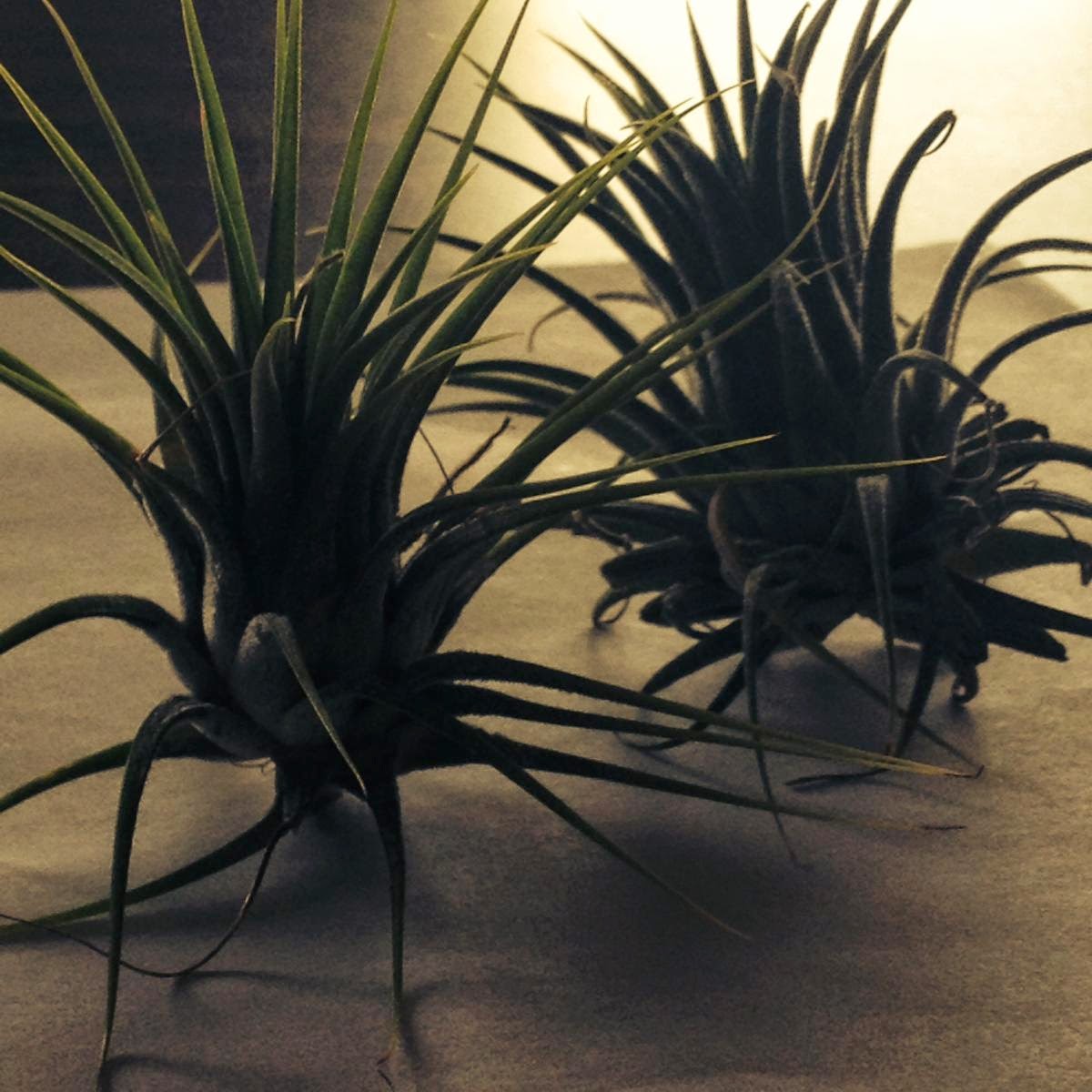
I was surprised to see the Black-Footed Penguins show themselves today, but it was a very sunny afternoon so who could blame them for sunbathing? Despite early rain, many folks came out to the New York Aquarium and really seemed to enjoy the Brazil Flooded Forest exhibit. In addition to this magnificent day, Jennifer and I got our very own Tillandsia plants.